El mandato operativo de los sistemas de regulación térmica hidrónica en ropa de cama
Los protectores de colchón enfriados por agua son sistemas termodinámicos de gestión del sueño activos y de circuito cerrado que hacen circular continuamente fluido con temperatura controlada a través de una red integrada de microtubos para regular directamente la temperatura corporal central de quien duerme y maximizar los ciclos de sueño profundo. A diferencia de los materiales de cambio de fase pasivo o las espumas viscoelásticas con gel que simplemente retrasan la retención de calor antes de estabilizarse, estos sistemas hidrónicos actúan como intercambiadores de calor continuos. Al alejar constantemente la energía metabólica ambiental del cuerpo o introducir un calor suave, mantienen un microclima superficial estable adaptado a las ventanas biológicas individuales del sueño.
Para que la fisiología humana entre en las fases de sueño reparador de ondas lentas y movimientos oculares rápidos (REM), la temperatura corporal central debe descender aproximadamente 1 grado centígrado . Las construcciones de colchones estándar, particularmente las espumas de poliuretano viscoelásticas densas, presentan una barrera de aislamiento severa, atrapando hasta el 90 por ciento del calor corporal radiante y provocando un aumento de la humedad del microclima. Un protector de colchón activo enfriado por agua resuelve este cuello de botella termodinámico mediante la introducción de un medio de enfriamiento fluido que presenta una capacidad calorífica cuatro veces mayor que el aire , estableciendo una vía conductora eficiente para eliminar activamente el exceso de energía térmica durante la noche.
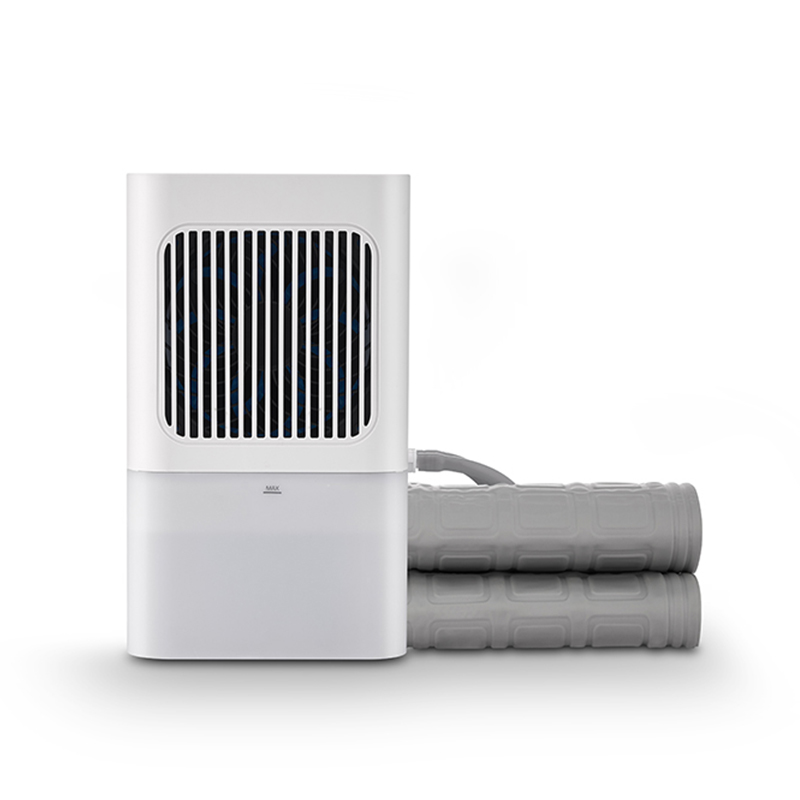
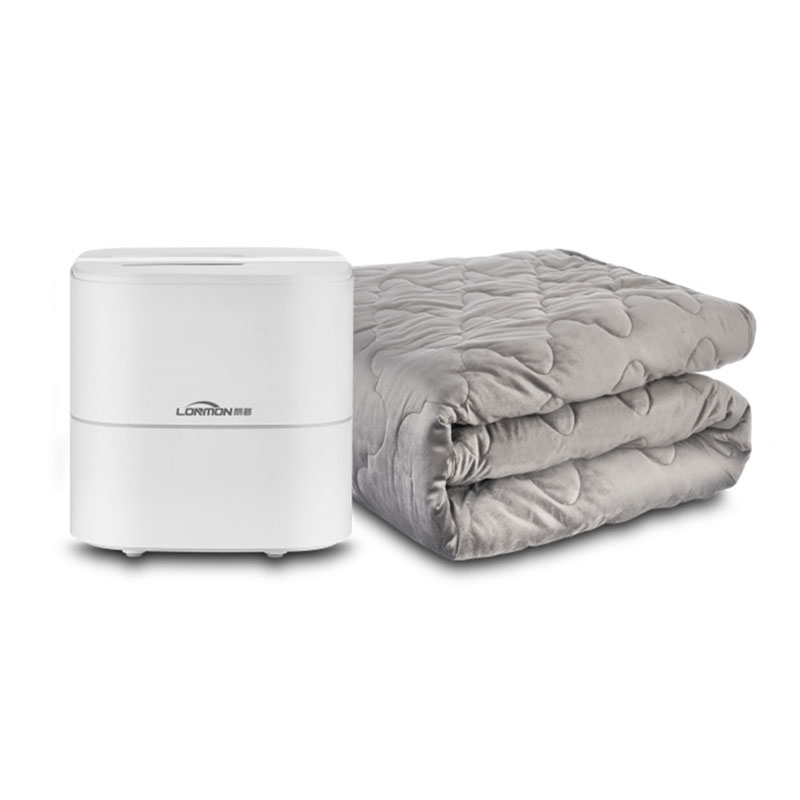
La implementación de estos sistemas requiere una configuración equilibrada de componentes mecánicos, eléctricos y textiles. El sistema funciona a través de una unidad de control externa que alberga un depósito de agua, un enfriador termoeléctrico (TEC) de estado sólido o un circuito de refrigeración por compresión de vapor, una bomba de CC sin escobillas de bajo voltaje y una placa base computarizada. El cubrecolchón en sí debe permanecer flexible, cómodo y completamente a prueba de fugas bajo una distribución de peso variable, utilizando conductos ultrafinos de silicona de grado médico o cloruro de polivinilo (PVC) tejidos en telas de malla transpirables de múltiples capas.
Mecánica termodinámica: componentes Peltier y conducción de fluidos
Para comprender las ventajas de rendimiento de un topper de enfriamiento impulsado por fluido, es necesario examinar la física subyacente del cambio de calor en estado sólido y la absorción de energía líquida que gobiernan el motor térmico externo.
Intercambiadores de calor de semiconductores Peltier
La mayoría residencial protectores de colchón enfriados por agua Utilizar módulos de refrigeración termoeléctricos basados en el efecto Peltier. Cuando una corriente eléctrica directa pasa a través de pastillas semiconductoras alternas de telururo de bismuto tipo n y tipo p, el calor se mueve de un lado del módulo cerámico al otro. Esto crea una cara caliente y una cara fría distintas dentro de la unidad de control.
La cara fría entra en contacto directamente con un bloque de agua de cobre o aluminio de alta conductividad, lo que reduce la temperatura del fluido que pasa a través de los canales internos. Mientras tanto, la cara caliente se basa en un disipador de calor de aluminio denso y un extractor de aire de bajo decibelio para expulsar el calor metabólico y eléctrico concentrado al aire circundante del dormitorio. Esta configuración permite ajustes precisos de temperatura hasta 0,5 grados centígrados sin necesidad de refrigerantes químicos ni compresores mecánicos.
Propulsión hidrodinámica de circuito cerrado
Una vez enfriada hasta el punto de ajuste objetivo del usuario, el agua es impulsada hacia el interior del colchón mediante una bomba centrífuga de CC sin escobillas. Estas bombas funcionan con corriente continua de bajo voltaje (normalmente 12 V o 24 V) para eliminar los riesgos de descarga eléctrica dentro de la matriz del lecho y mantener el ruido operativo por debajo. 40 decibeles .
El líquido viaja a través de mangueras umbilicales aisladas de doble orificio hacia la almohadilla, ramificándose a través de una amplia rejilla de microtubos. A medida que el fluido pasa debajo del durmiente, el calor fluye desde la superficie más cálida de la piel a través de las capas textiles y las paredes del tubo hacia la corriente de agua más fría. Luego, el agua calentada sale de la almohadilla y regresa al depósito de la unidad de control para enfriarse nuevamente, estableciendo un ciclo continuo de absorción térmica.
Integración Textil e Ingeniería de Redes de Microtubos
El principal desafío de ingeniería al fabricar un protector de colchón enfriado por agua es integrar una densa red de canales de fluido en una superficie suave de la cama sin crear puntos de presión duros que interfieran con la ergonomía del sueño.
Para lograr este equilibrio, las almohadillas avanzadas utilizan tubos flexibles de silicona de grado médico con un diámetro exterior de apenas 2 a 3 milímetros . Estos microtubos están dispuestos en una configuración serpenteante o paralela continua, espaciados aproximadamente entre 15 y 25 milímetros. Esta geometría maximiza la superficie de contacto térmico y al mismo tiempo evita que los tubos se muevan o se doblen cuando el colchón se flexiona.
La capa de tela envolvente utiliza una pila de materiales de varios niveles optimizada tanto para la transferencia de calor como para la amortiguación física:
- **Capa de contacto superior:** El polietileno de alta densidad (HDPE) o los tejidos de lyocell especializados proporcionan una textura ultrasuave y un alto coeficiente de conductividad térmica natural para acelerar la disipación inicial del calor.
- **Matriz de canales de microtubos centrales:** Una malla espaciadora estructural encapsula los canales de silicona, evitando que se amontonen y formen una zona protectora que hace que los tubos sean indetectables para el cuerpo humano.
- **Capa aislante inferior:** Una gruesa cubierta de poliéster tejido con un respaldo de silicona antideslizante refleja la energía de enfriamiento hacia arriba, hacia el durmiente, evitando que el colchón subyacente absorba el efecto térmico.
Espectro de rendimiento: comparación de la hidrónica activa con los colchones pasivos
Configurar un ecosistema de ropa de cama activo optimizado requiere revisar el comportamiento térmico, la eficiencia eléctrica y los rangos de temperatura operativa en varias tecnologías de enfriamiento. La siguiente tabla detalla estos puntos de referencia de rendimiento.
| Variante del sistema de gestión térmica | Rango de temperatura operativa activa | Duración de la extracción continua de calor | Carga eléctrica operativa promedio | Tasa de mitigación de la humedad del microclima |
|---|---|---|---|---|
| Protector de colchón activo refrigerado por agua (TEC) | 13 a 46 grados centígrados | Indefinido (bucle cerrado continuo) | 80W a 140W | Alto (soporte continuo de evaporación de humedad) |
| Topper de microclima activo forzado por aire | Temperatura ambiente de la habitación hasta -2 grados | Indefinido (dependiente del flujo de aire) | 30W a 60W | Moderado (Limitado por la humedad ambiental) |
| Poliuretano viscoelástico pasivo con infusión de gel | Ninguno (se basa en el buffer del sumidero ambiental) | 45 a 90 minutos (Antes de la saturación térmica) | 0W (material pasivo) | Bajo (atrapa la humedad dentro de la matriz de espuma) |
| Cubiertas textiles de material de cambio de fase (PCM) | Banda de fusión fija (normalmente 28 grados) | 60 a 120 minutos (hasta que se derrita por completo) | 0W (material pasivo) | Bajo-Moderado (solo absorción superficial) |
Los datos de rendimiento demuestran que Los sistemas activos impulsados por agua ofrecen una amplia ventana de temperatura operativa que abarca desde 13 hasta 46 grados Celsius. . A diferencia de los bloques de espuma pasivos o los textiles de cambio de fase que rápidamente igualan la temperatura ambiente de la piel y pierden su efectividad, una configuración hidrónica puede extraer y desplazar calor continuamente durante un tiempo indefinido, manteniendo el microclima objetivo del usuario durante toda la noche.
Lazos de control de automatización biométrica y calibración inteligente
Los protectores de colchón modernos refrigerados por agua han evolucionado más allá de simples controles manuales estáticos. Las configuraciones de alta gama integran telemetría del sueño en tiempo real y ajustes algorítmicos para adaptarse a las cambiantes necesidades térmicas del cuerpo en las diferentes etapas del sueño.
Durante un ciclo de sueño típico de ocho horas, el perfil de temperatura objetivo de un usuario se divide en tres fases automatizadas distintas:
- **Fase de inicio del sueño:** El sistema reduce la temperatura del fluido a 26 a 28 grados centígrados durante los primeros 90 minutos. Esto reduce la temperatura central de la piel, acelerando el inicio del sueño y acortando el tiempo que lleva quedarse dormido.
- **Mantenimiento profundo de onda lenta:** El motor de control mantiene una línea de base fría y estable para evitar el despertar nocturno y extender los ciclos de recuperación profunda.
- **Fase de transición de activación:** Aproximadamente 60 minutos antes de la hora de alarma programada, el PLC interno invierte la corriente al módulo Peltier. Esto calienta el agua en circulación hasta 36 a 38 grados centígrados , elevando la temperatura de la piel del usuario para suprimir la producción de melatonina y fomentar un despertar alerta natural.
Los sistemas avanzados automatizan estos ajustes al vincularse mediante Bluetooth o Wi-Fi a rastreadores de sueño inteligentes integrados debajo de las sábanas del colchón o que se usan en la muñeca. Si un sensor integrado detecta un aumento repentino en la frecuencia cardíaca o la respiración junto con una temperatura elevada de la piel, el circuito de control aumenta automáticamente la velocidad de la bomba y baja la temperatura del agua para interceptar el desencadenante del sudor nocturno antes de que el usuario se despierte.
Calibración de mantenimiento: lavado del sistema, mitigación de biopelículas y almacenamiento
Debido a que los protectores de colchón hidrónicos funcionan con un circuito de agua de baja velocidad y baja temperatura, requieren un mantenimiento preventivo regular para evitar bioincrustaciones, acumulación de minerales y caídas de rendimiento dentro de la red de microtubos.
La secuencia de mantenimiento del sistema sigue una estricta rutina operativa:
- Llene siempre el depósito con agua pura. agua destilada ; El agua del grifo contiene iones de calcio y magnesio disueltos que se precipitan en las paredes internas del bloque de agua de cobre, formando una capa aislante que reduce la eficiencia de enfriamiento hasta en un 30 por ciento.
- Agregue de 10 a 15 mililitros de grado médico peróxido de hidrógeno (concentración del 3 por ciento) al depósito cada 30 días para esterilizar el circuito, destruyendo biopelículas orgánicas y esporas de algas antes de que puedan obstruir los microtubos.
- No utilice blanqueador con cloro ni desinfectantes a base de alcohol; Estos productos químicos degradan los sellos de goma internos de la carcasa de la bomba y hacen que el tubo de silicona flexible se endurezca y se agriete.
- Antes del almacenamiento a largo plazo, conecte el adaptador de drenaje neumático especializado a las válvulas de conexión rápida y sople aire a través de la almohadilla para expulsar toda el agua restante, evitando que las bolsas de líquido estancado desarrollen moho.
Si la cubierta textil requiere limpieza, la mayoría de los diseños permiten a los usuarios desconectar la línea umbilical de agua interna mediante válvulas de clic a prueba de fugas. Luego, la almohadilla de tela se puede lavar en una lavadora residencial estándar de carga frontal en un ciclo suave. La almohadilla debe secarse completamente al aire libre sin utilizar secadoras de alto calor, protegiendo los canales de silicona incrustados contra deformaciones o estallidos bajo tensión térmica.
El futuro de la ingeniería del sueño hidrónico: materiales multifásicos de zona dual
A medida que crece la demanda de una optimización personalizada del sueño, los ingenieros textiles se están centrando en diseños de microtubos independientes y multizona. Esta investigación tiene como objetivo acomodar a parejas con diferentes preferencias de temperatura para dormir en una sola superficie de colchón.
Las fundas de colchón de doble zona de última generación cuentan con bucles hidrónicos izquierdo y derecho completamente aislados, cada uno impulsado por su propio motor termoeléctrico independiente. Este diseño permite a un socio establecer un perfil de enfriamiento nítido de 18 grados centígrados , mientras que el otro mantiene una base cálida de 34 grados centígrados en el lado opuesto de la misma cama. Al combinar estos circuitos independientes con controles inteligentes automatizados, los sistemas hidrónicos modernos pueden adaptarse en tiempo real a los cambios metabólicos individuales, estableciendo una base térmica flexible para un descanso reparador y sincronizado.